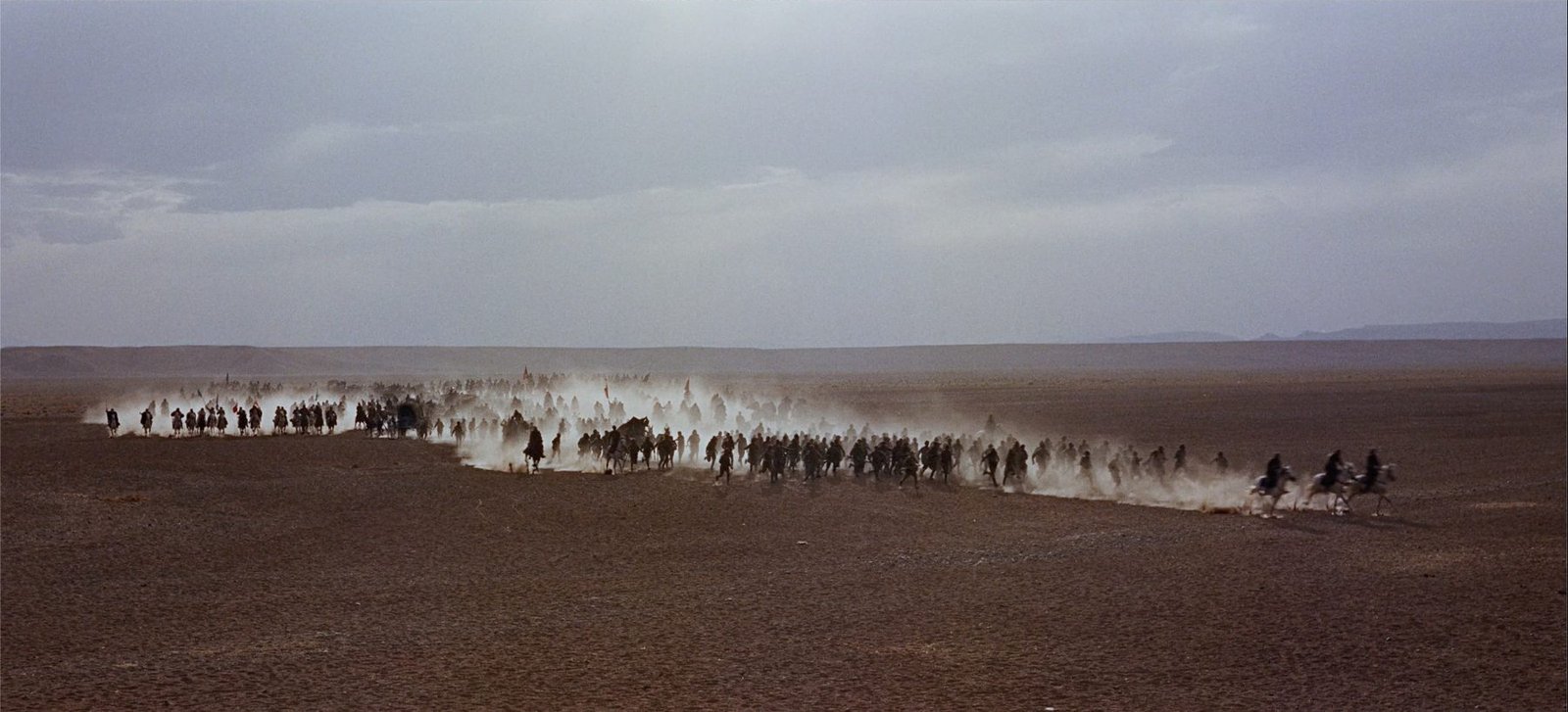
In Which We Serve
A wartime drama co-directed with Noël Coward, following the crew of a Royal Navy destroyer. Lean's directorial debut established his command of narrative structure and emotional depth.
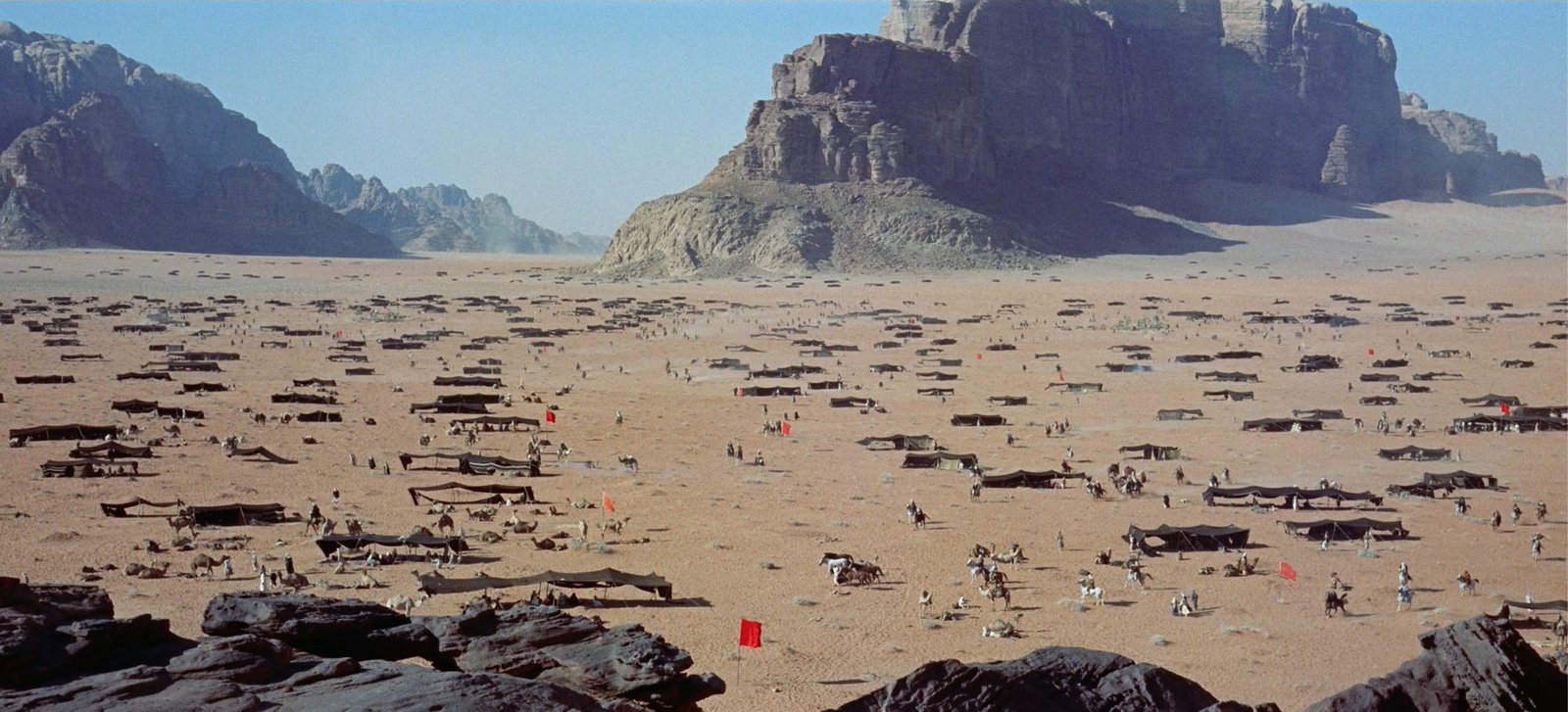
Master of the epic. A visionary who transformed cinema with sweeping landscapes, intimate human stories, and an uncompromising devotion to the art of filmmaking.

Sir David Lean was born on March 25, 1908, in Croydon, Surrey, England, into a strict Quaker family. His father, Francis William le Blount Lean, was an accountant, and his mother, Helena Annie Tangye, came from a prominent Cornish family. Cinema was forbidden in the Lean household, which only deepened young David's fascination with the moving image. At the age of ten, he received a Brownie box camera—a gift that would plant the seed of an extraordinary career.
After a brief and uninspired stint at his father's accounting firm, Lean entered the film industry in 1927 at Gaumont-British Studios. Starting as a tea boy and clapperboard operator, he rose through the ranks with remarkable determination, becoming one of England's most respected film editors by the late 1930s. His editing work on films such as Pygmalion (1938) and 49th Parallel (1941) established his reputation for precision and rhythm.
Lean's directorial debut came in 1942 with In Which We Serve, a wartime drama co-directed with Noël Coward. This collaboration launched a partnership that produced several acclaimed British films. His early works—including the hauntingly romantic Brief Encounter (1945) and masterful Dickens adaptations Great Expectations (1946) and Oliver Twist (1948)—revealed a filmmaker of extraordinary sensitivity and visual intelligence.
By the mid-1950s, Lean began his transformation into a maker of sweeping international epics. The Bridge on the River Kwai (1957) won seven Academy Awards and established him as a master of large-scale storytelling. Lawrence of Arabia (1962) is widely regarded as one of the greatest films ever made—a stunning meditation on heroism, identity, and the desert's terrible beauty. Doctor Zhivago (1965) became one of the highest-grossing films of all time.
After the critical disappointment of Ryan's Daughter (1970), Lean retreated from filmmaking for fourteen years before returning triumphantly with A Passage to India (1984). He was knighted in 1984 and passed away on April 16, 1991, in London, leaving behind a legacy that continues to inspire filmmakers around the world.
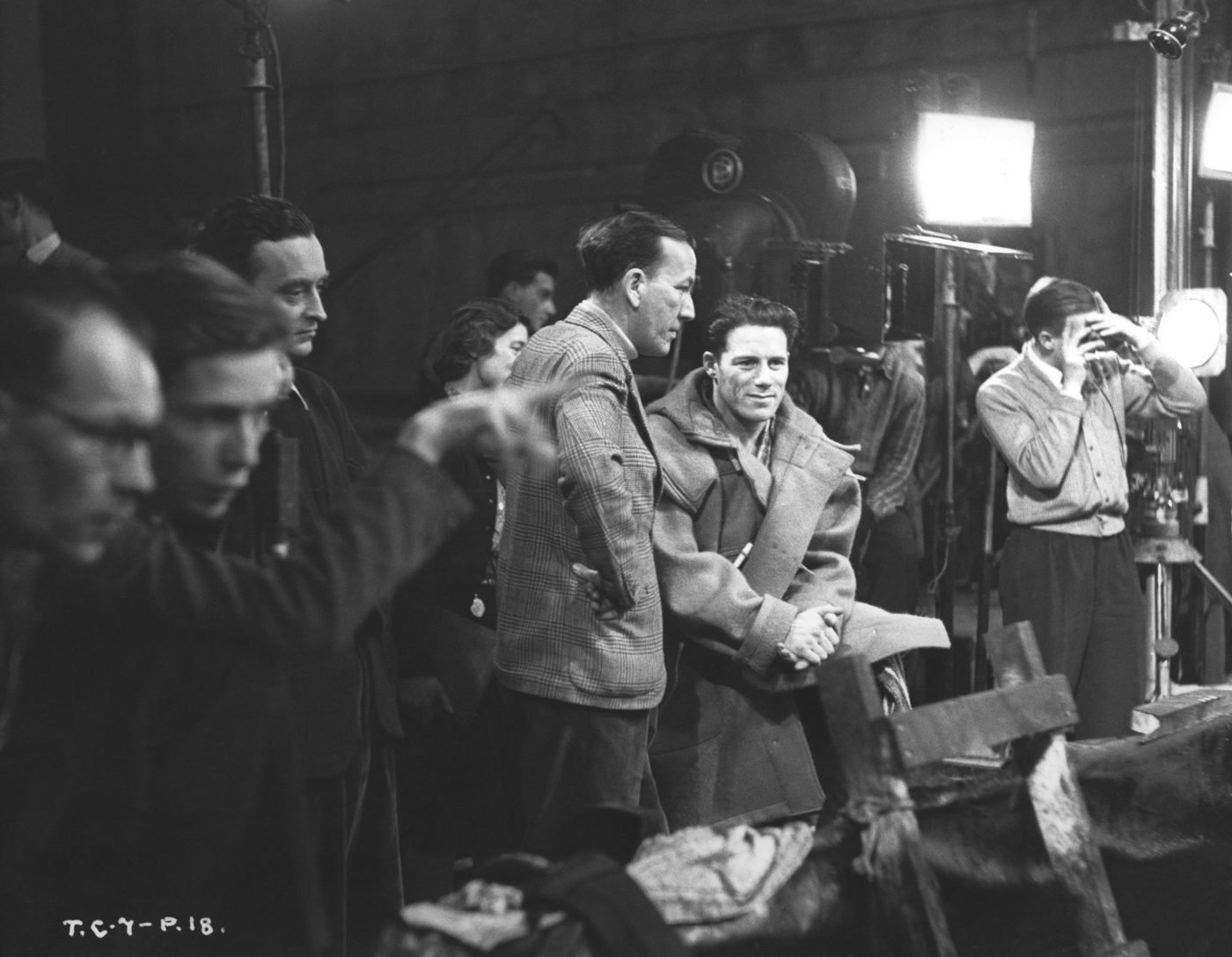
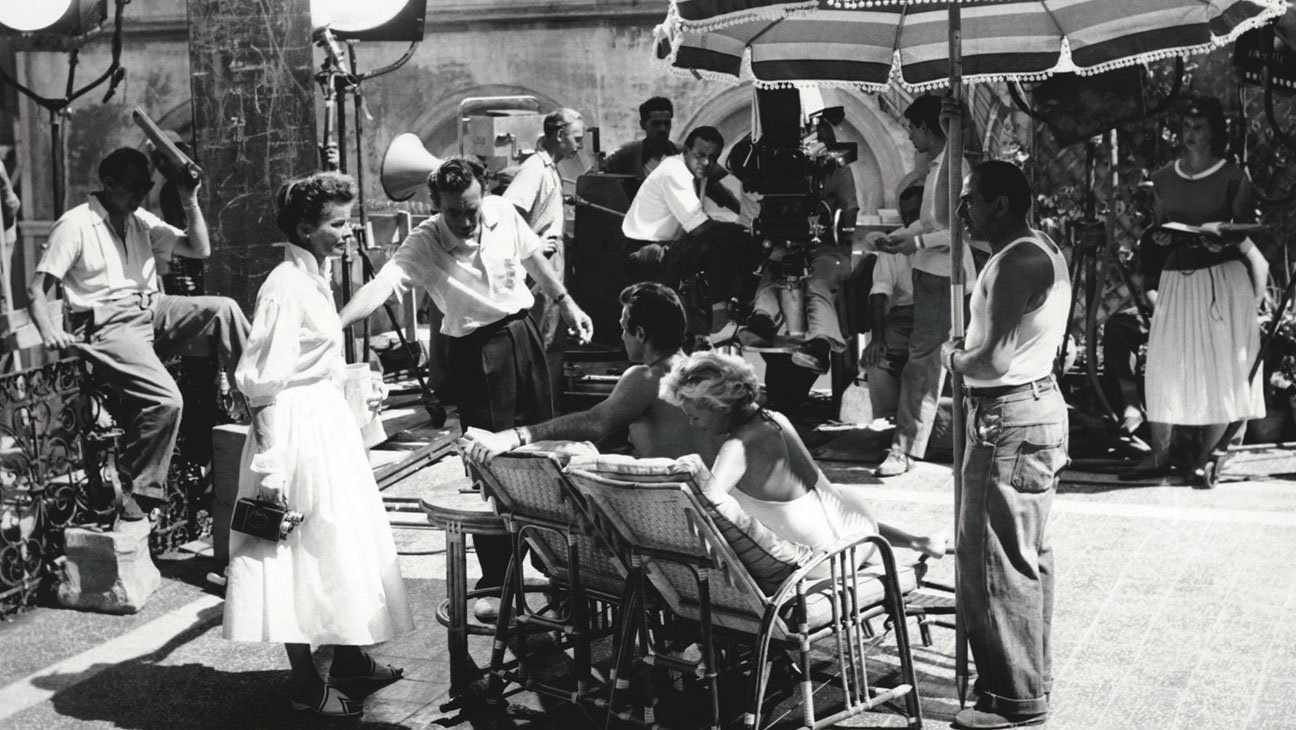


Select any film to browse a gallery of its stills.
A wartime drama co-directed with Noël Coward, following the crew of a Royal Navy destroyer. Lean's directorial debut established his command of narrative structure and emotional depth.
An intimate portrait of a middle-class English family between the two World Wars, adapted from Noël Coward's play. A gentle, observant study of domestic life and national character.
A supernatural comedy adapted from Noël Coward's play about a man haunted by the ghost of his first wife. Notable for its pioneering use of special effects.
A deeply moving story of forbidden love between two married strangers who meet at a railway station. Widely regarded as one of the most poignant romantic films ever made.
A luminous adaptation of Charles Dickens' novel, following the orphan Pip from the marshes to London society. Its opening graveyard sequence is considered one of cinema's great set pieces.
A vivid, atmospheric adaptation of Dickens' tale of an orphan navigating London's criminal underworld. Alec Guinness' portrayal of Fagin remains iconic.
A romantic drama exploring a love triangle told through a complex, non-linear narrative structure. Stars Ann Todd as a woman torn between passion and duty.
Based on a true Victorian murder case, this atmospheric thriller follows a young woman accused of poisoning her lover. A dark, morally ambiguous drama.
A dramatic exploration of the quest to break the sound barrier, blending personal drama with aviation spectacle. Won the BAFTA for Best British Film.
A warm, witty comedy about a tyrannical boot-shop owner whose daughter outmaneuvers him. Stars Charles Laughton in one of his finest performances.
A romantic drama set in Venice, starring Katharine Hepburn as an American spinster who finds unexpected love. The city of Venice becomes a character in its own right.
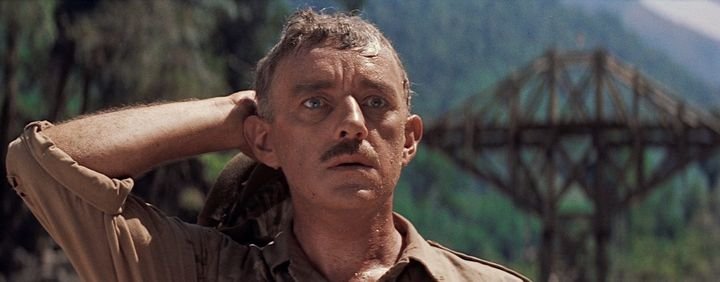
A masterful war epic about British POWs forced to build a strategic railway bridge for their Japanese captors. Won seven Academy Awards including Best Picture and Best Director.
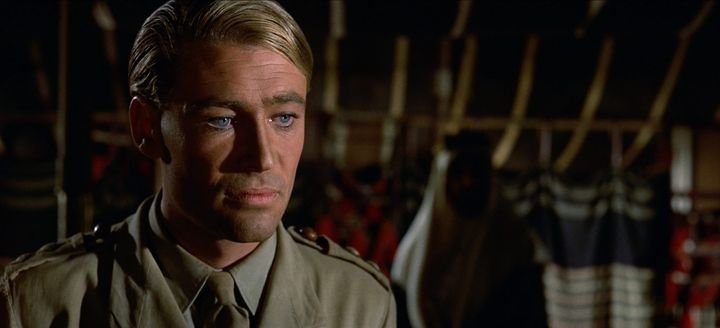
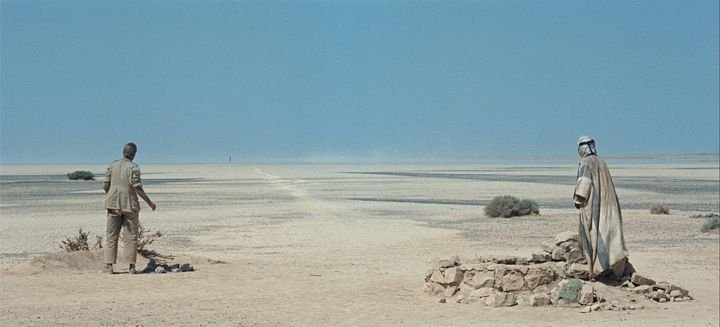
A towering epic chronicling T.E. Lawrence's extraordinary adventures in the Arabian Peninsula during World War I. Widely considered one of the greatest films ever made.
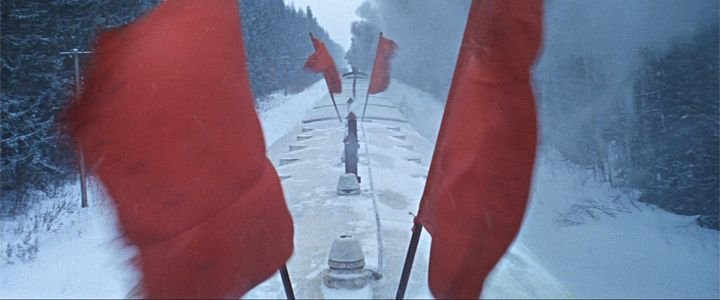
A sweeping romantic epic set against the Russian Revolution, based on Boris Pasternak's Nobel Prize-winning novel. Became one of the highest-grossing films of all time.
A passionate love story set in a remote Irish village during the 1916 Easter Rising. Despite critical controversy, its cinematography remains breathtaking.
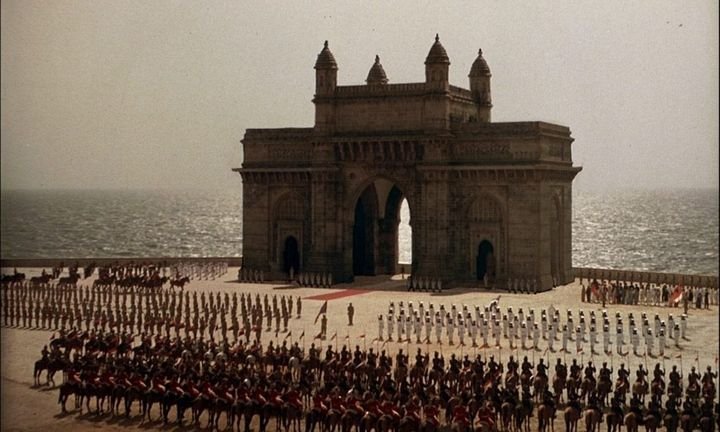
Lean's final masterwork, adapted from E.M. Forster's novel about the clash of cultures in colonial India. A triumphant return after a fourteen-year absence.
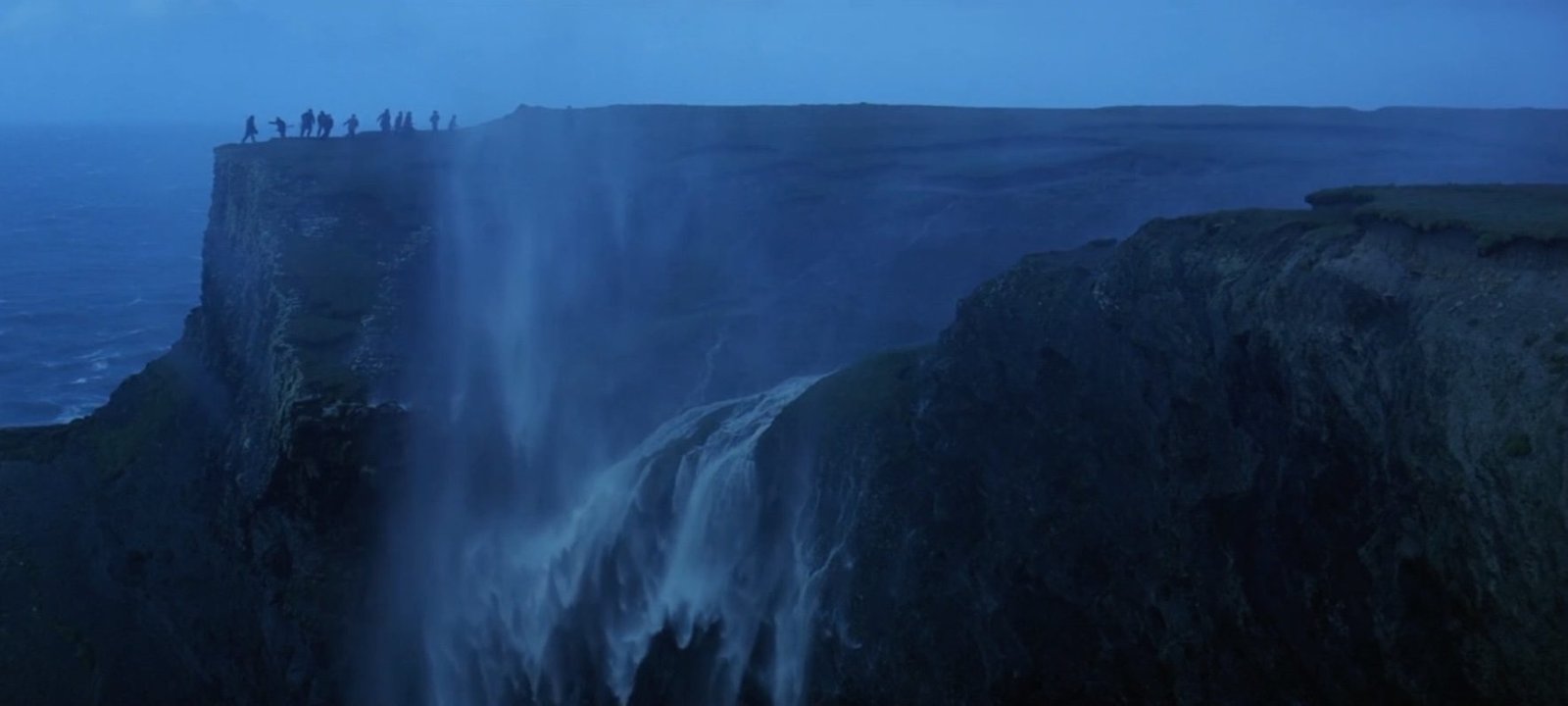
“You don't remember lines of dialogue, you remember pictures.”
David Lean — On visual storytelling
David Lean is born on March 25 in Croydon, Surrey, to a strict Quaker family. Cinema is forbidden in his household.
Lean receives a Kodak Box Brownie from his uncle, which he uses to take photographs of the family trips abroad.
Joins Gaumont-British Studios as a tea boy and clapperboard operator, beginning his ascent through the ranks.
Lean edits his first film, The Night Porter.
At the invitation of Keith Ayling, Lean signs on to work at Movietone News.
Begins working at the British-Dominion Studios at Elstree.
Rises to become one of England's most respected film editors, earning recognition for his precision and narrative sense.
Edits the film Escape Me Never.
Edits the film adaptation of Pygmalion.
Edits Major Barbara and 49th Parallel. The latter is nominated for an Academy Award for Best Picture.
Co-directs In Which We Serve with Noël Coward. Transitions from editing to directing with immediate acclaim.

Launches Cineguild with Ronald Neame and Anthony Havelock-Allen. The company produces many of Lean's earlier works.
Directs This Happy Breed, his first venture as a solo director.
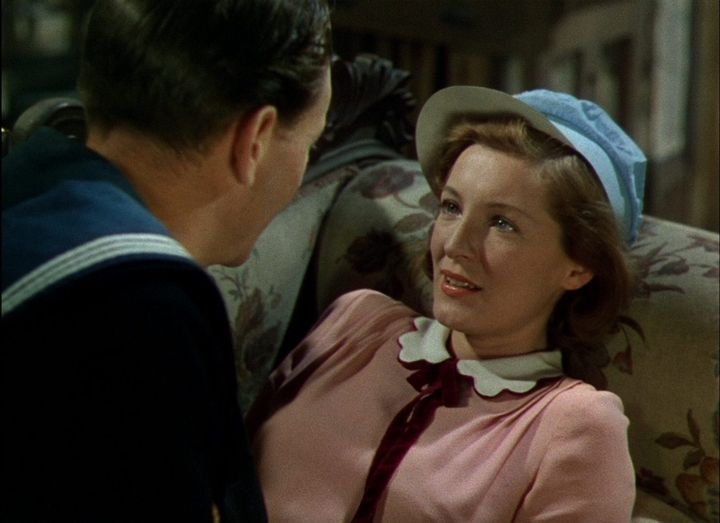
Creates one of cinema's most poignant love stories. The film becomes an enduring classic of British cinema.
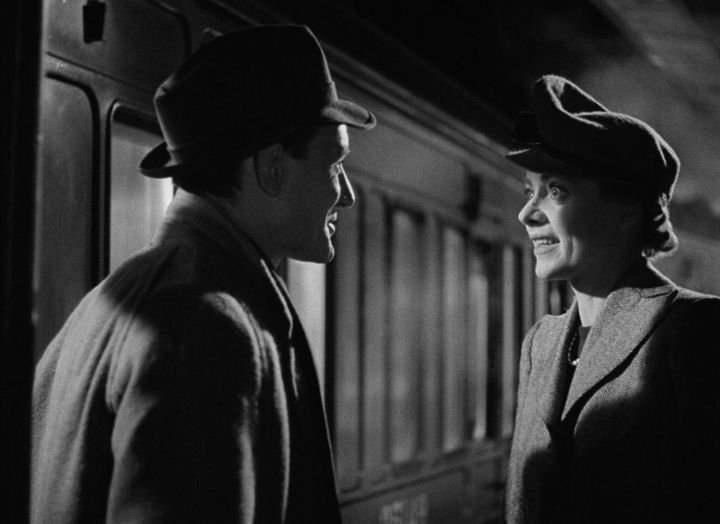
Delivers a landmark Dickens adaptation. The opening graveyard scene becomes one of cinema's iconic moments.
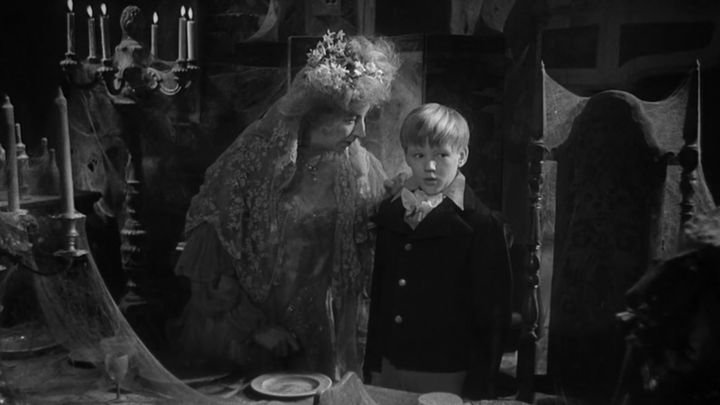
Lean is appointed First Chairman of the British Academy of Film and Television Arts (BAFTA).
Lean begins production on The Wind Cannot Read. In 1956, following the death of producer Alexander Korda, the production ends.
Lean begins production on The Bridge on the River Kwai.
Wins his first Academy Award for Best Director. The film wins seven Oscars and marks his transition to epic filmmaking.
Lean begins initial production on Gandhi, to be written by Emeric Pressburger, star Alec Guinness, and be produced by Sam Spiegel. The project is eventually abandoned due to Lean's dissatisfaction with the script.
Production on Lawrence of Arabia begins.
Creates what many consider the greatest epic film ever made. Wins his second Oscar for Best Director and seven total.
At the urging of George Stevens, Lean helps the beleaguered production of The Greatest Story Ever Told by directing several of King Herod's scenes. He then begins production on Doctor Zhivago.
Achieves massive commercial success with this sweeping Russian Revolution romance. Becomes one of the highest-grossing films ever.
Despite stunning cinematography, critical reception is harsh. Lean retreats from filmmaking for fourteen years.

Presented with the Lifetime Achievement Award from the Directors Guild of America.
With writer Robert Bolt, Lean begins work on two separate but continuous epics, The Law Breakers and The Long Arm, a retelling of the Captain Bligh mutiny story. As the budget grows, Warner Bros. pulls out, and Lean eventually walks away from the project.
Lean directs the mini-documentary Lost and Found: The Story of an Anchor.
A Passage to India begins principal photography. It is Lean's 16th and final film.
Returns triumphantly with his final film, earning eleven Academy Award nominations. A fitting farewell.
The most prestigious award Lean had yet received came to him on October 30, 1984, when he was knighted by Queen Elizabeth II.
The restored version of Lawrence of Arabia is released. At Lean's discretion, the film is trimmed to 218 minutes.
The Lifetime Achievement Award from the American Film Institute is presented to David Lean.
Lean begins work on his next feature, an adaptation of Joseph Conrad's Nostromo.
Sir David Lean passes away on April 16 in London at age 83, leaving behind sixteen films and an indelible mark on cinema.
The National Film Preservation Board adds Lawrence of Arabia to its list of films deemed “culturally, historically, or aesthetically important.”
The British Film Institute releases its “100 Favourite British Films of the 20th Century,” with Brief Encounter, Lawrence of Arabia and The Bridge on the River Kwai in the top 15.
The original screenplay for the epic film, written by Robert Bolt. A masterwork of screenwriting that brought T.E. Lawrence's story to life on the grandest possible scale.
A detailed account by Columbia Pictures of the painstaking two-year restoration of the original 70mm premiere version of Lawrence of Arabia, led by Robert A. Harris.
The shooting script for David Lean's sweeping adaptation of Boris Pasternak's novel, dated September 1964. Script Number 116.
The draft filmscript originally titled “Michael’s Day,” written by Robert Bolt. Dated October 7, 1970 — a window into the creative process behind the Irish epic.
“I wouldn't take the advice of a lot of so-called critics on how to shoot a close-up of a teapot.”
“The best screenwriting is when you don't notice it. It should be like a pane of glass that the audience looks through.”
“I hope the audience will look at a scene and say not “Isn’t that a wonderful shot” but “What happens next?””
“You don't remember lines of dialogue, you remember pictures.”
“A film should be about the human heart. No matter how vast the canvas, it must always come down to human emotion.”
“Film is a dramatised reality. It is a director's task to make it seem real, without the audience becoming conscious of the underlying technique.”
“I think the big screen demands a big subject. The great thing about cinema is its scale.”
“Academy Awards are very important. If you have no hope of winning one, they're despised. If you do have a chance, they're very important indeed.”